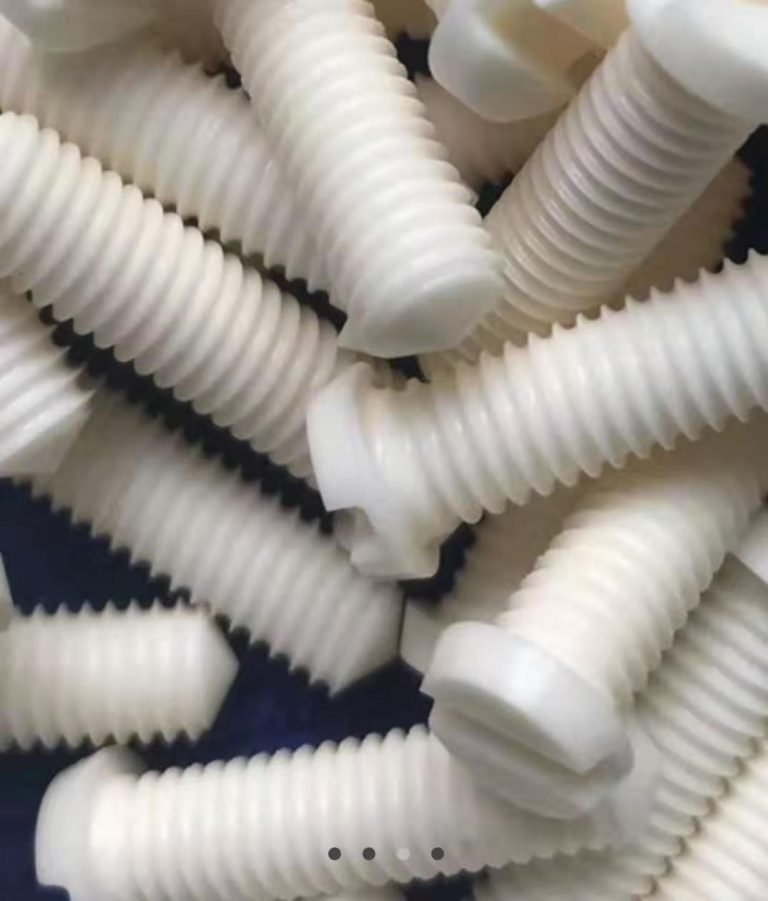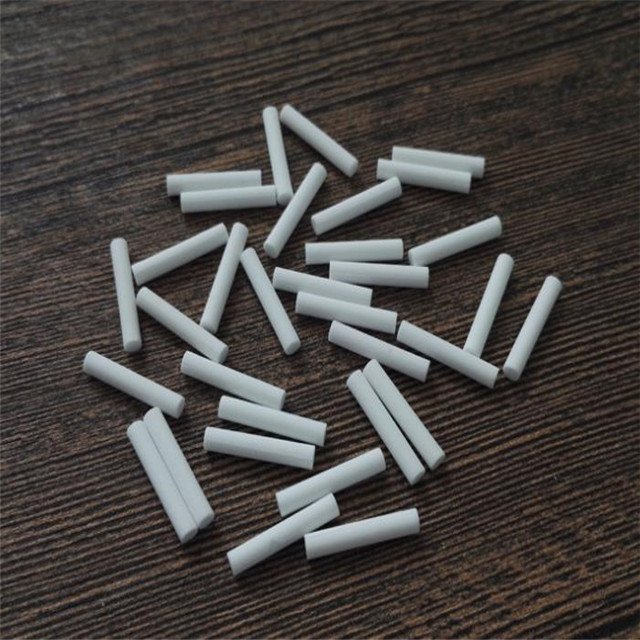
The fire resistance of the small crucible of zirconia thermal analysis is better than that of the alumina crucible, and the service temperature can be reached 2000°C, it is very stable in oxidizing or reducing atmosphere, has strong erosion resistance to many metal melts and slags, and is chemically inert, which well solves the experimental material analysis of reaction with alumina.
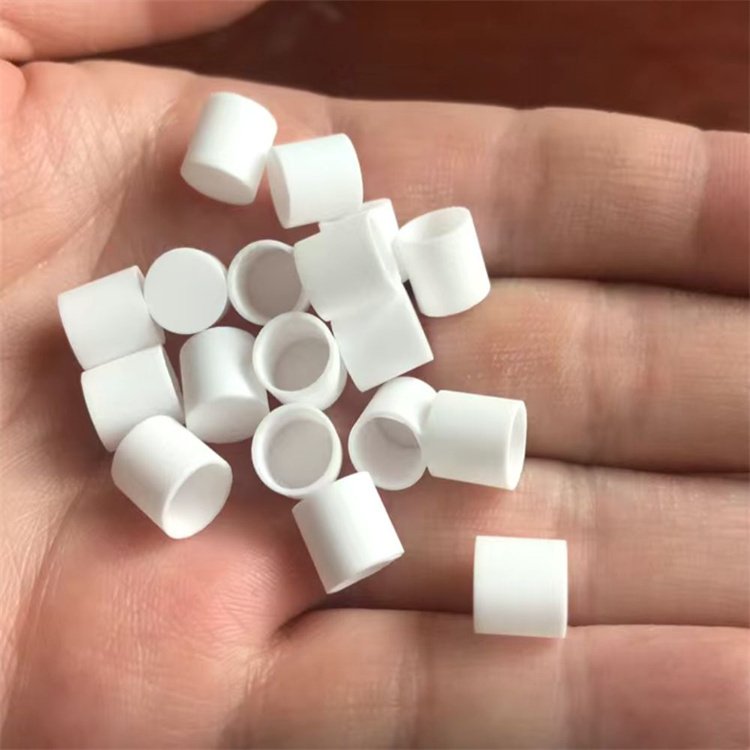
Features:
Zirconia crucible has very excellent physical and chemical properties, in a variety of metal oxide ceramic materials, its high temperature thermal stability, the best thermal insulation performance, the most suitable for high temperature refractory products, the thermal conductivity of zirconia is the lowest in common ceramic materials, and the coefficient of thermal expansion is close to metal materials, becoming an important structural ceramic material.
The purity of the zirconia crucible reaches 99.9, the density is 6.00, and the operating temperature is 2200 degrees, which is mainly used in smelting precious metals, and has good heat resistance and stability.
Zirconium oxide has a higher melting point than zirconium, reaching 2700 °C, and is one of the materials with good refractory function in nature. Its thermal conductivity is poor, but the electrical conductivity is very strong, and the corrosion ability is also very strong, even if it is heated to more than 1900 degrees Celsius, it will not have an effect on molten aluminum, iron, nickel, platinum and other metals, silicates and acidic slag.
Main uses:
Melting precious and rare metals. Zirconia crucible, with good stability at high temperature, is an ideal experimental high-temperature refractory product.