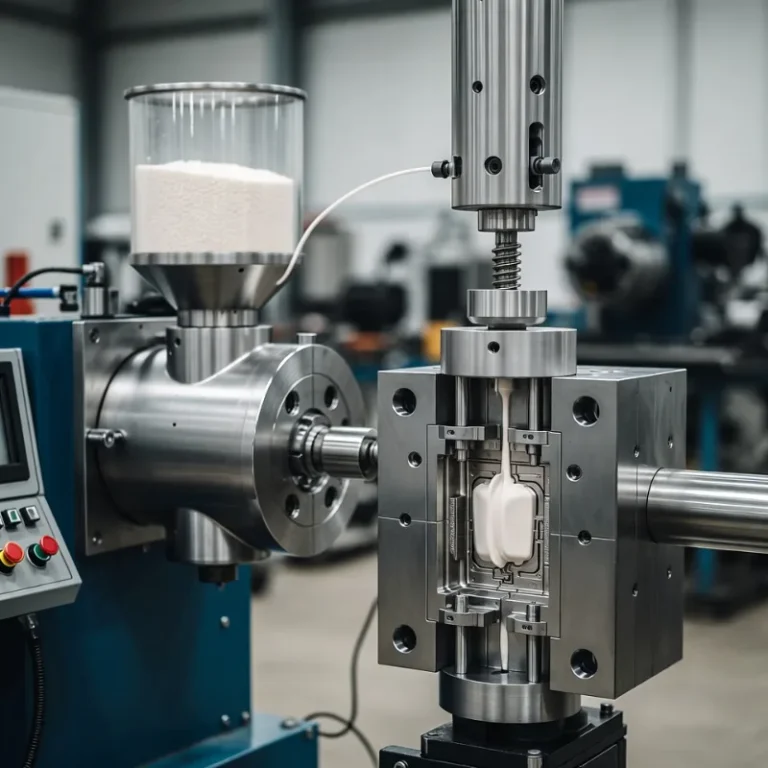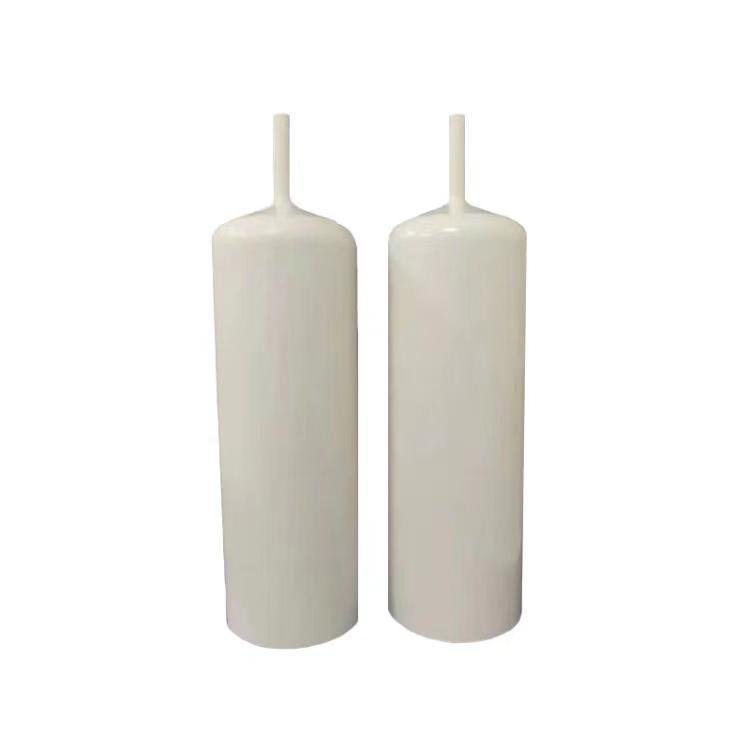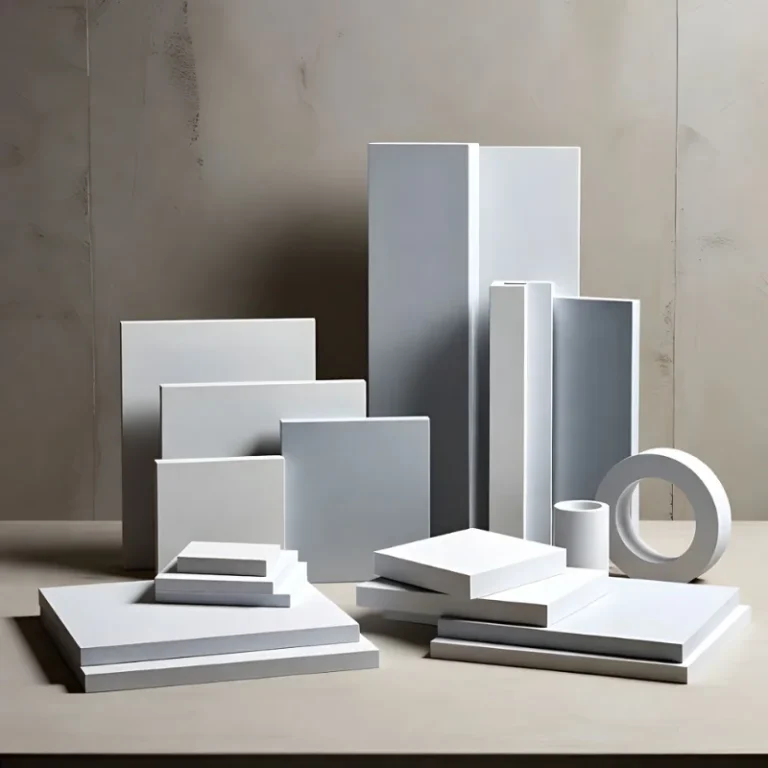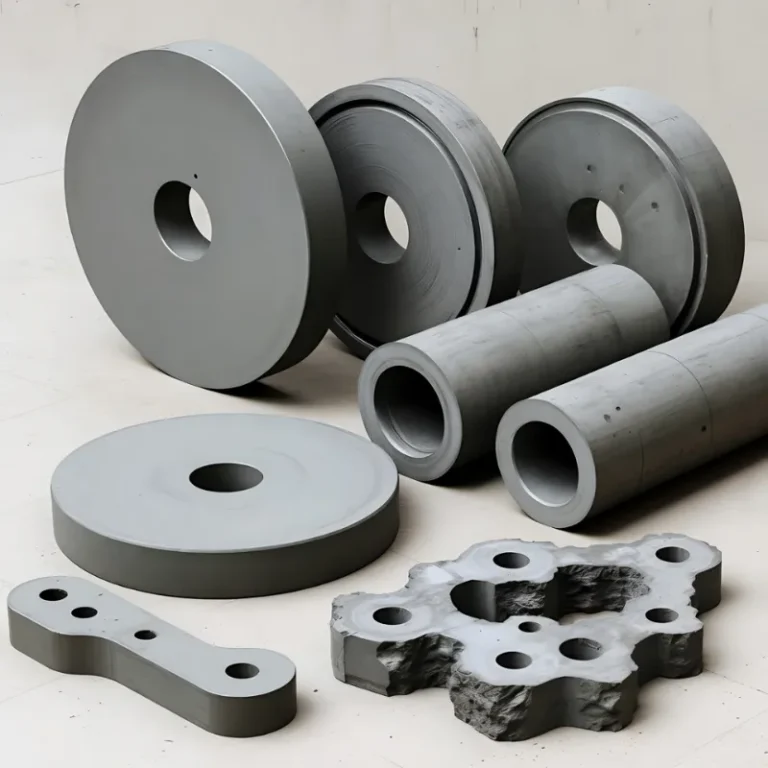
Before Classification: What Ceramic Materials Are and Why They Matter
Ceramics are non-metallic, inorganic materials hardened through high-temperature processing. Once fired, they exhibit stable crystal structures that resist thermal, chemical, and mechanical degradation.
Typical ceramic characteristics include high temperature resistance, high hardness, wear resistance, and strong chemical stability. Most ceramics act as electrical and thermal insulators, while maintaining high compressive strength with limited plastic deformation.
Ceramic materials extend far beyond traditional pottery. From early structural ceramics to modern electronic substrates and high-temperature mechanical components, ceramics remain essential to industrial and engineering systems where metals or polymers reach performance limits.
How Ceramic Materials Are Commonly Classified
Ceramic materials are generally classified using two complementary approaches.
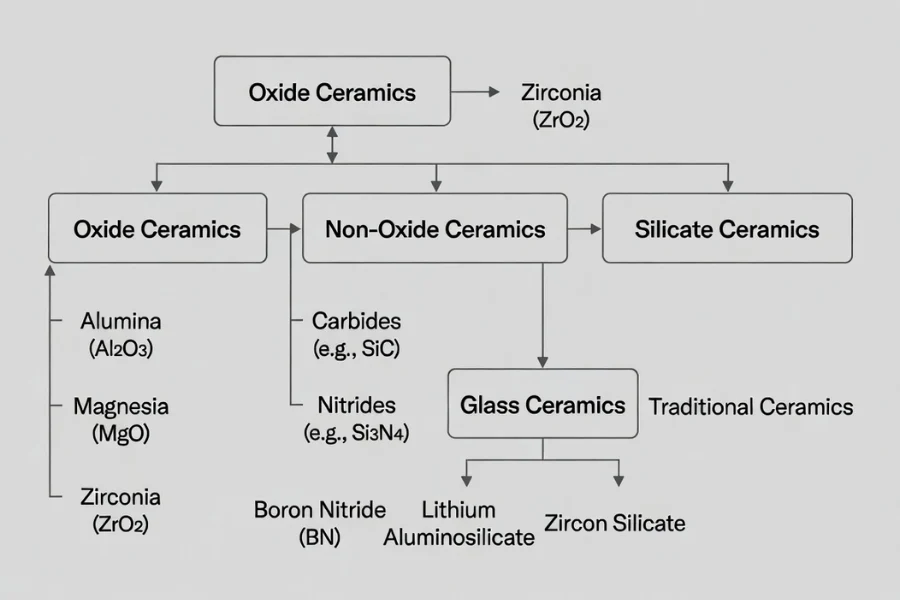
- Classification by chemical composition
- Classification by application or end-use function
This dual framework allows engineers to evaluate not only material chemistry, but also suitability under real operating conditions.
Ceramic Types Based on Material Composition
Oxide Ceramics – Stable Performance for Electrical and Structural Use
Oxide ceramics are composed primarily of metal oxides and represent the most widely used class of engineering ceramics.
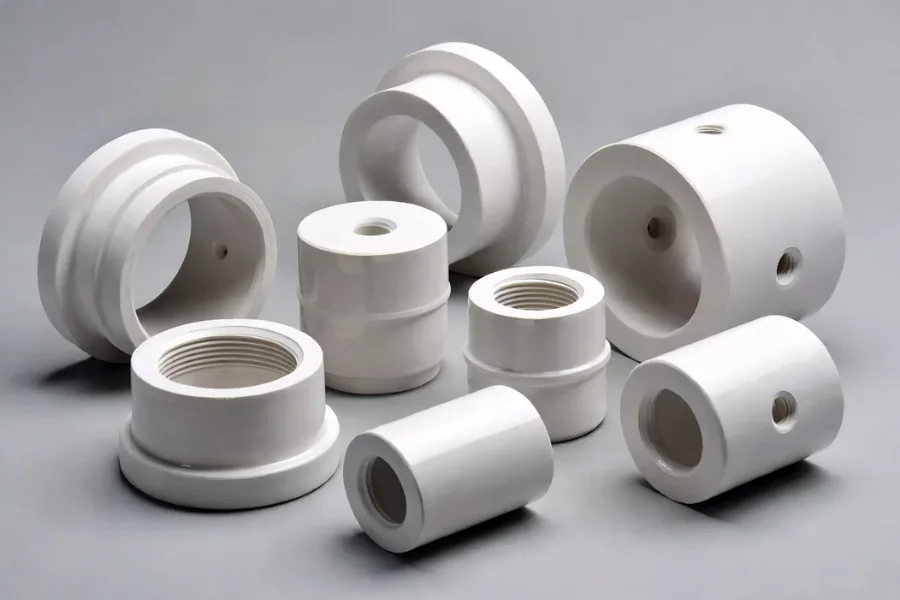
They typically provide high melting points, strong chemical stability, good wear resistance, and reliable electrical insulation. However, most oxide ceramics exhibit limited resistance to severe thermal shock compared to non-oxide systems.
Alumina (Al₂O₃)
Alumina is the most commonly applied technical ceramic due to its balanced mechanical strength, wear resistance, and cost efficiency. It is widely used in spark plug insulators, seals, bearings, cutting tools, biomedical implants, and protective linings. Alumina performs reliably in steady thermal environments, but it is less suitable for applications involving rapid temperature cycling.
Zirconia (ZrO₂)
Zirconia offers higher fracture toughness than most ceramics due to stress-induced phase transformation. It is used in dental restorations, wear components, oxygen sensors, and precision mechanical parts. Its higher material and processing cost should be considered when performance requirements can be met by alumina or other oxide ceramics.
Silica (SiO₂)
Silica is a foundational ceramic material used in glass, optical fibers, thermal insulation, laboratory ware, and semiconductor processing. While silica provides excellent thermal stability and optical properties, its mechanical strength limits its use in load-bearing applications.
Other oxide ceramics include magnesia (MgO) and titanium dioxide (TiO₂), which is also widely used as a functional pigment.
Non-Oxide Ceramics – High-Temperature and High-Wear Materials
Non-oxide ceramics are based on carbides, nitrides, and borides that do not contain oxygen.
These materials typically offer superior high-temperature strength, extreme hardness, and enhanced wear resistance. Many non-oxide ceramics retain mechanical integrity where oxide ceramics begin to degrade.
Silicon Carbide (SiC)
SiC provides very high hardness, high thermal conductivity, and excellent strength at elevated temperatures. It is used in kiln furniture, mechanical seals, wear components, power semiconductor devices, and ballistic armor. SiC is best suited for applications with stable thermal profiles, and careful design is required when rapid thermal gradients are present.
Silicon Nitride (Si₃N₄)
Silicon nitride combines high strength, good fracture toughness, and excellent thermal shock resistance. It is commonly used in engine bearings, turbine components, and cutting tools. Its processing complexity and higher cost should be justified by performance requirements involving cyclic thermal loading.
Aluminum Nitride (AlN)
AlN offers high thermal conductivity while maintaining electrical insulation. It is widely applied in electronic packaging and heat dissipation substrates. Moisture sensitivity during processing requires controlled manufacturing conditions.
Titanium Boride (TiB₂)
TiB₂ provides high hardness with good electrical and thermal conductivity. It is used in specialty electrodes and armor systems.
Other non-oxide ceramics include tungsten carbide (WC) for ultra-hard tooling and boron nitride (BN) for high-temperature lubrication and electrical insulation.
Silicate Ceramics – Traditional Materials for Construction and Daily Use
Silicate ceramics are based on silicate minerals such as aluminum silicates and magnesium silicates. They are typically classified by water absorption into dense ceramics, such as porcelain, and porous ceramics, such as earthenware.
Applications include bricks, tiles, sanitary ware, tableware, and electrical insulators. These materials offer cost efficiency and established processing, but are not designed for extreme mechanical or thermal environments.
Glass-Ceramics – Controlled Microstructure for Thermal Stability
Glass-ceramics are produced through controlled crystallization of base glass, resulting in materials with both amorphous and crystalline phases.
They offer near-zero porosity, high strength, low thermal expansion, and excellent thermal shock resistance. Typical applications include induction cooktop panels, heat-resistant cookware, telescope mirror blanks, dental restorations, and precision optical components.
Ceramic Materials Classified by Application
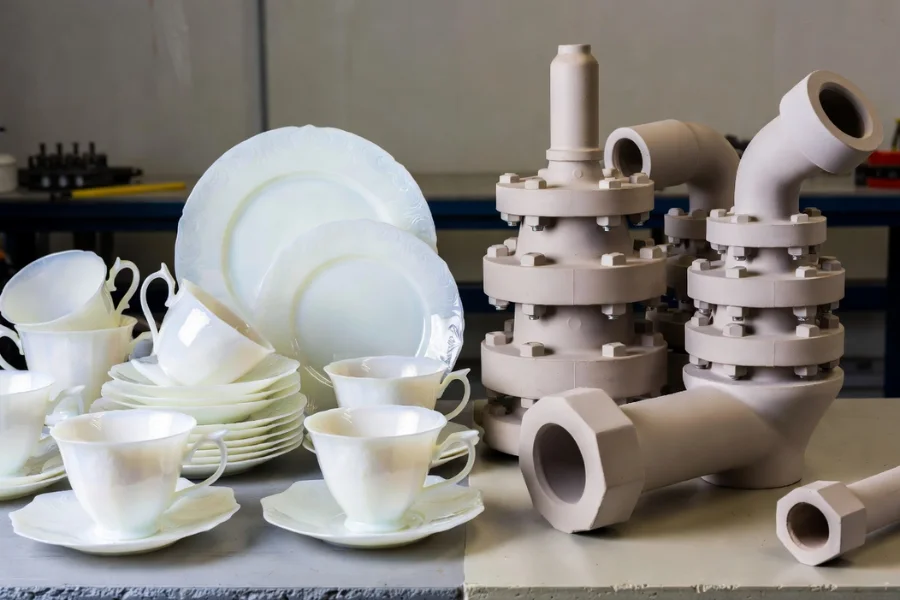
Traditional Ceramics – Clay-Based Materials with Established Processing
Traditional ceramics are produced from natural raw materials such as clay, silica, and feldspar. They offer mature processing routes and cost-effective production.
Earthenware is porous and typically glazed. Stoneware provides higher density and mechanical strength. Porcelain offers high purity, low porosity, and electrical insulation. Bone china achieves high strength and translucency through bone ash addition.
Advanced and Engineering Ceramics – Designed for Extreme Conditions
Advanced ceramics are manufactured from high-purity synthetic powders and engineered for specific mechanical, thermal, electrical, or chemical performance requirements.
They are widely used in aerospace components such as turbine blades, thermal protection tiles, radomes, and nose cones. In electronics, they serve as substrates, packaging materials, insulators, and piezoelectric components such as PZT. Medical applications include joint replacements, dental implants, and bone repair materials. Industrial machinery relies on advanced ceramics for cutting tools, bearings, seals, and wear parts. Energy systems use ceramics in fuel cells, nuclear fuel such as UO₂, heat exchangers, and catalyst supports.
In industrial supply chains, suppliers such as C-CERAMIC support these applications by providing precision ceramic components and material customization aligned with defined thermal, mechanical, and electrical requirements.
Functional Ceramic Categories for Specialized Industrial Roles
Refractories are used in furnaces and metallurgical linings where temperatures exceed 1580°C. Abrasives such as diamond, alumina, silicon carbide, and boron carbide are used for grinding and cutting. Cements and binders provide structural bonding in construction. Glass remains essential for optical, container, and fiber applications.
Quick Reference: Common Ceramic Materials and Typical Applications
| Material | Type | Typical Working Temperature | Thermal Conductivity (Approx.) | Typical Applications |
|---|---|---|---|---|
| Alumina (Al₂O₃) | Oxide | up to 1600°C | 20–30 W/m·K | Spark plugs, wear linings, bioceramics |
| Silicon Carbide (SiC) | Non-oxide | up to 1800°C | 120–200 W/m·K | Wear parts, kiln furniture, power electronics |
| Silicon Nitride (Si₃N₄) | Non-oxide | up to 1400°C | 20–40 W/m·K | Engine bearings, turbines |
| Zirconia (ZrO₂) | Oxide | up to 1000°C | 2–3 W/m·K | Dental, sensors, wear parts |
| Silica (SiO₂) | Oxide | up to 1200°C | 1–2 W/m·K | Glass, fiber optics |
| PZT | Oxide | application dependent | low | Sensors, igniters |
| Porcelain | Silicate | up to 1400°C | low | Insulators, sanitary ware |
Emerging Trends in Ceramic Materials and Manufacturing
Additive manufacturing enables complex ceramic geometries for customized implants and lightweight aerospace components. Ceramic composites improve toughness by combining ceramics with metals or polymers. Nanoceramics enhance sintering behavior and mechanical performance. Multifunctional ceramics integrate structural, thermal, and sensing capabilities.
FAQ
Are ceramics and pottery the same?
No. Pottery is a subset of ceramics made primarily from clay and intended for functional or artistic use. Ceramics include all non-metallic, inorganic materials processed at high temperatures, such as electrical insulators, structural components, refractories, and advanced engineering ceramics used in industrial applications.
Why are ceramics typically brittle?
Ceramics are bonded mainly by strong ionic or covalent bonds, which restrict plastic deformation. When stress is applied, cracks tend to propagate rather than dissipate through yielding. This atomic structure results in high hardness and compressive strength, but low tolerance to tensile stress and impact loading.
What distinguishes advanced ceramics from traditional ceramics?
Traditional ceramics are made from natural raw materials such as clay and silica and are used in general-purpose applications. Advanced ceramics are produced from high-purity synthetic powders and are engineered for specific mechanical, thermal, electrical, or chemical performance requirements in demanding industrial environments.
Can ceramics conduct electricity?
Most ceramics are electrical insulators due to their atomic structure. Certain ceramics exhibit functional electrical behavior, such as silicon carbide acting as a semiconductor and materials like PZT displaying piezoelectric properties. Some oxide ceramics are also engineered to provide controlled electrical conductivity.
Are ceramics safe for medical applications?
Specific bioceramics such as alumina, zirconia, and hydroxyapatite are widely used in medical and dental implants. These materials offer excellent biocompatibility, corrosion resistance, and wear performance, allowing reliable long-term contact with biological tissues.
Are 3D printed ceramic parts mechanically reliable?
With optimized additive manufacturing processes and proper post-sintering, 3D printed ceramic parts can achieve mechanical properties comparable to conventionally manufactured ceramics. Printed components are routinely tested for strength and reliability in aerospace, medical, and electronic applications.
What are the main applications of ceramic materials?
Ceramic materials are used in construction, electronics, aerospace, medical devices, energy systems, and industrial machinery. Their functions include electrical insulation, wear resistance, high-temperature structural support, thermal management, and chemical stability in environments where metals or polymers cannot maintain performance.