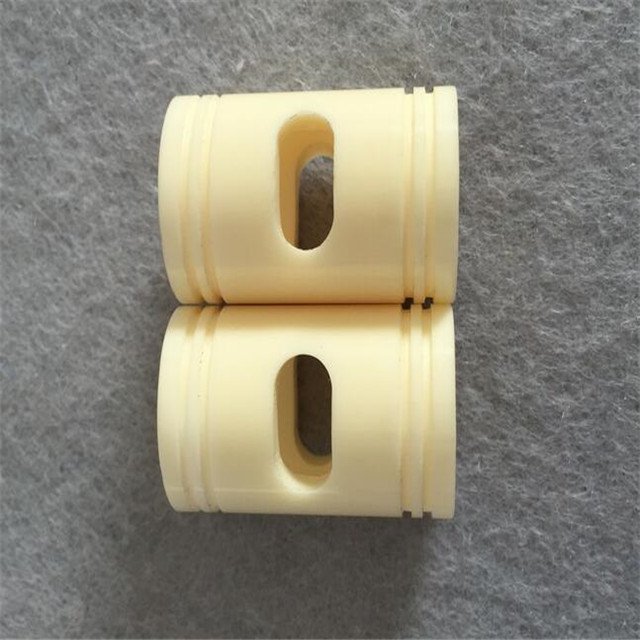
MATERIAL OF TECHNICAL CERAMICS:
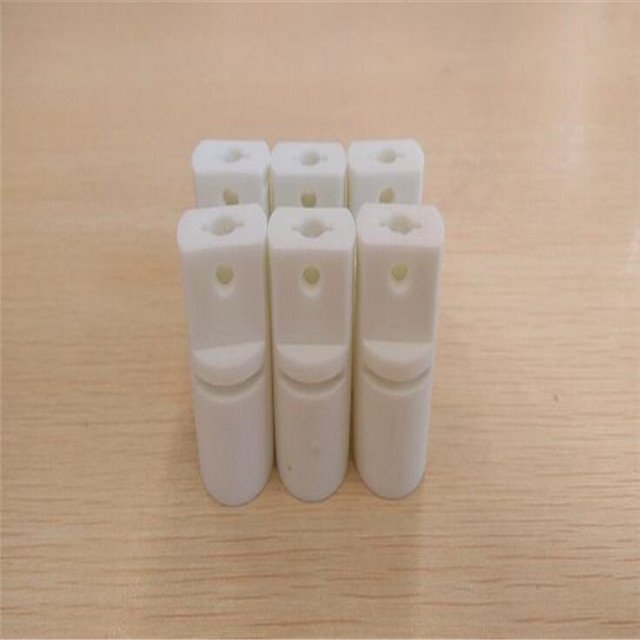
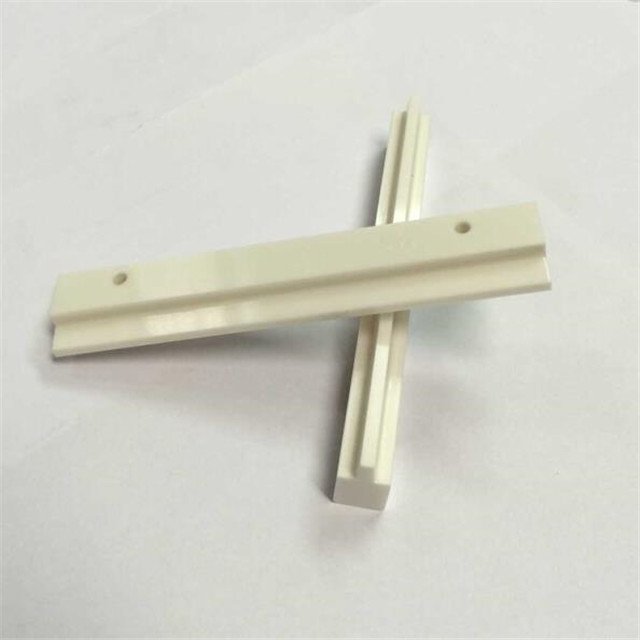
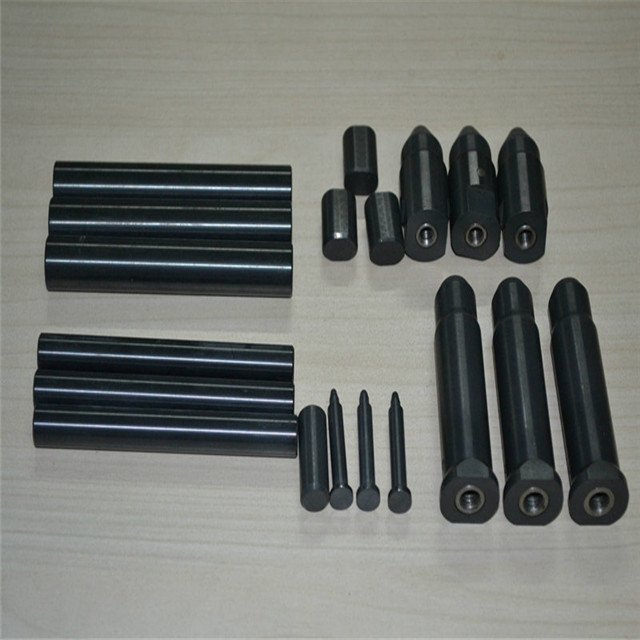
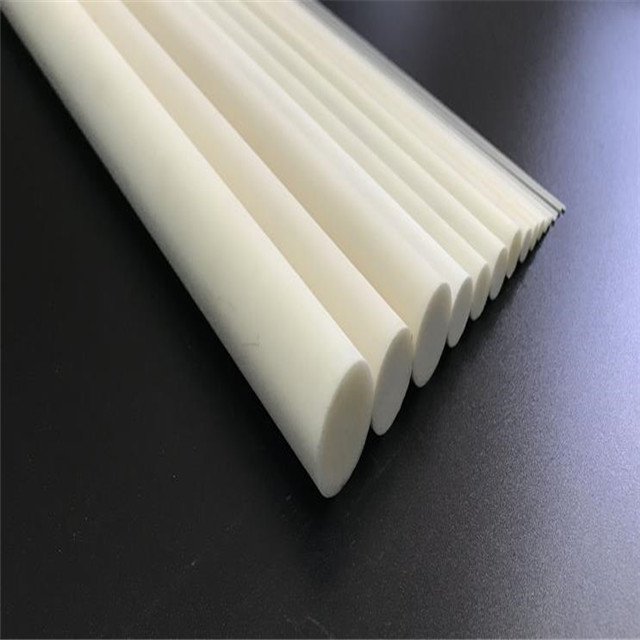
Usuaully the technical ceramic materials are alumina ceramic and zirconia ceramic,silicon carbide ceramic,silicon nitride ceramic and so on.
Features of Alumina Ceramic:
1.They have high mechanical strength. The flexural strength of sintered alumina ceramic products can reach 250MPa, and that of hot-pressed products can reach 500MPa. The strength can be maintained up to 900℃ at high temperatures.
2. High alumina ceramics have a high resistivity and excellent electrical insulation performance. The resistivity at room temperature is 1015Ω·cm, and the insulation strength is 15kV/mm.
3.High hardness, with a Mohs hardness of 9.
Features of zirconia ceramic:
1.Zirconia ceramics have high strength and good toughness, and can be made into mechanical parts such as push rods, connecting rods, ceramic bearings, ceramic cylinder liners and piston caps.
2.Zirconia ceramic have high hardness, with a Mohs hardness of 8.5 to 9.1.
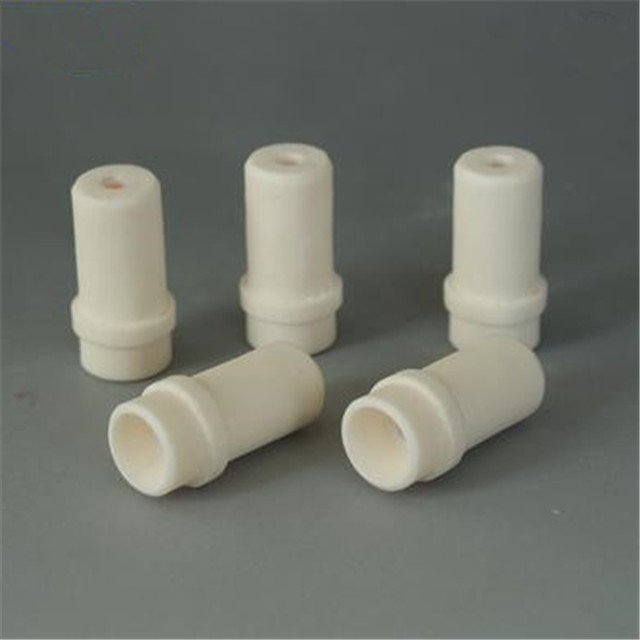
3.Insulating, free from the pollution of metals and electroplating, it is an ideal environmentally friendly material for the watch industry. Rich in color, extremely hard, beautiful and durable, non-damaging to the skin,and other products have an extraordinary texture and visual appeal, making them a popular choice for many electronic product cases.
Applications of Technical Ceramics:
1.Electronics: Technical ceramics are widely used in electronic components due to their excellent insulating properties. Materials like alumina and zirconia are commonly found in insulators, substrates, and capacitors.
2.Aerospace: The aerospace industry relies on technical ceramics for their lightweight and high-temperature resistance, essential for components like turbine blades and thermal barriers.
3.Automotive: Technical ceramics are increasingly used in automotive applications, including sensors and fuel cells, contributing to the development of more efficient and sustainable vehicles.