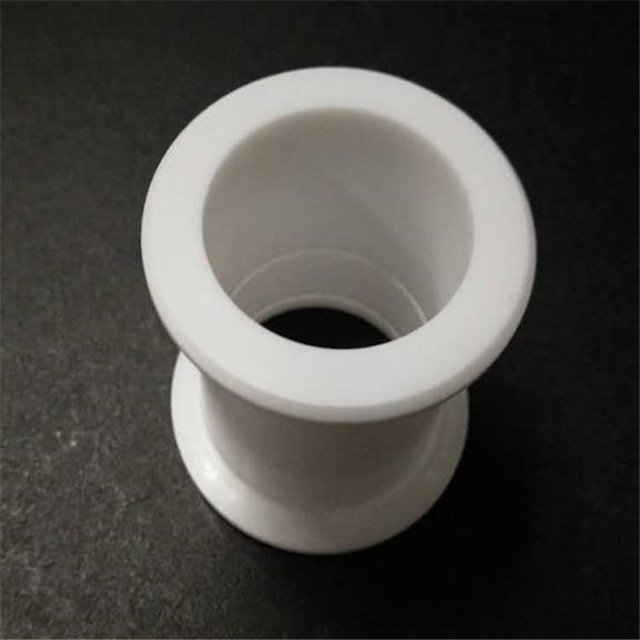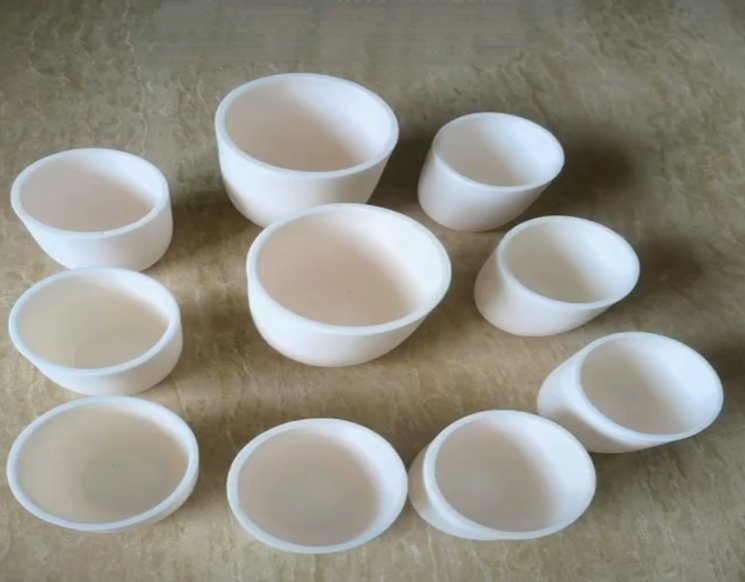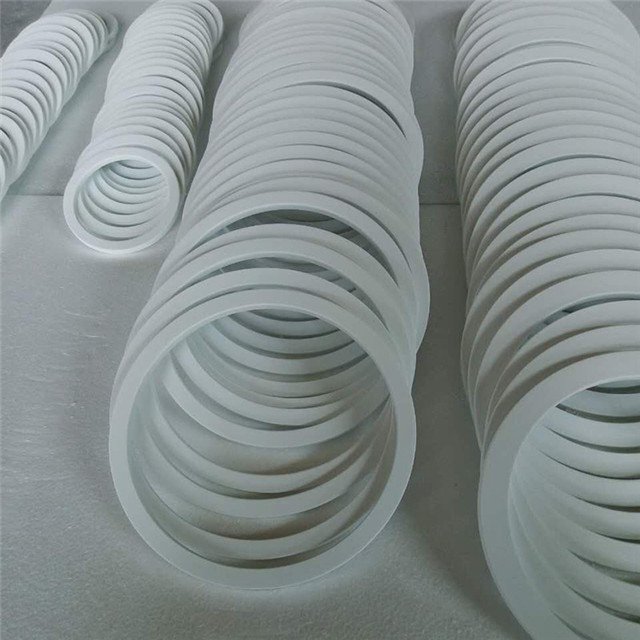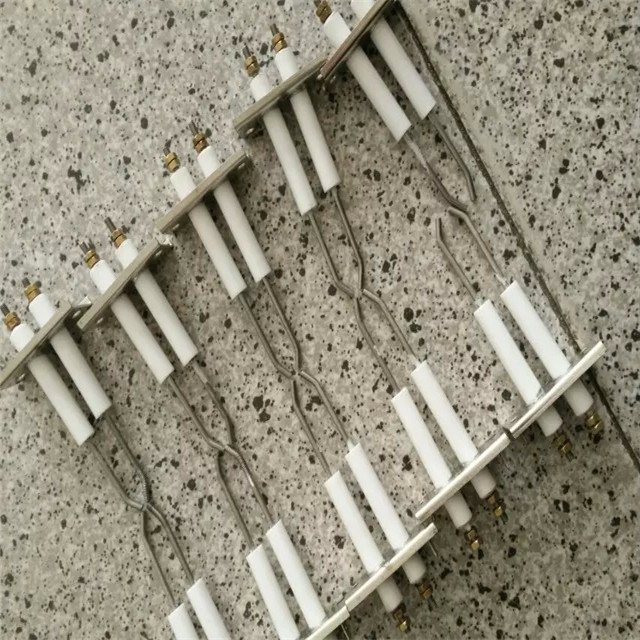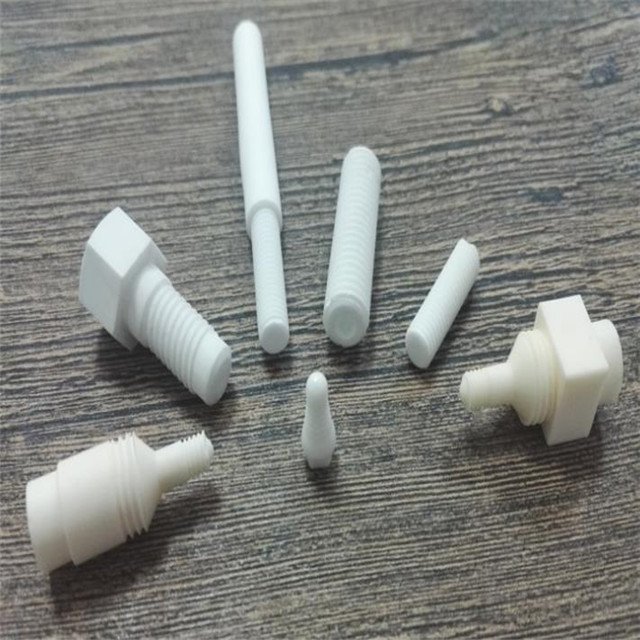
Sintered alumina ceramics require precision machining, and advanced alumina ceramic requires a mirror-like surface finish to increase lubricity.
Features of advanced alumina ceramic:
1.Mohs hardness is about 6, tensile strength is about 190 MPa, compressive strength is moderate, and toughness is average.
2.The main component is alumina (Al₂O₃), which is usually white or yellowish, and the color depends on the alumina content.
3.Excellent chemical stability, high corrosion resistance to acid, alkali and other corrosive substances, but in the face of special strong corrosive media, the corrosion resistance is weaker than that of zirconia ceramics.
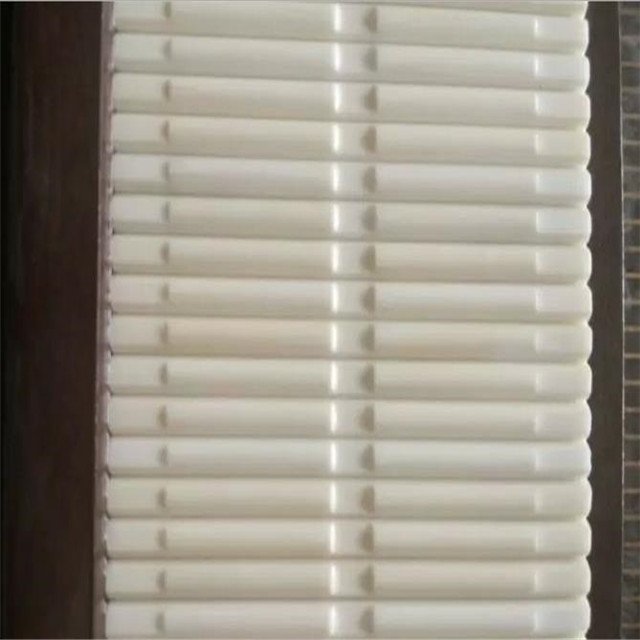
Uses of advanced alumina ceramic:
As a high-performance ceramic material, alumina ceramics are widely used in electronics, machinery, chemical industry, medical and other fields. Its excellent physical and chemical properties allow it to withstand a variety of harsh operating environments and improve the performance and reliability of the equipment.
1.alumina ceramics have important applications in the field of electronics. Due to its good insulation properties and high melting point, it can be used to manufacture electronic components, such as insulators, electronic substrates, sensors.
2.alumina ceramics also have a wide range of applications in the field of mechanical engineering. Due to its high hardness, wear resistance, and corrosion resistance, it can be used to manufacture mechanical parts such as bearings, piston rings, cutting tools.
3.Alumina ceramics also have certain applications in the chemical field. Due to its stable chemical properties and high temperature resistance, it can be used in the manufacture of chemical equipment, such as reaction vessels, pipelines, electric furnaces, etc. The high temperature stability and corrosion resistance of alumina ceramics enable chemical equipment to operate for long periods of time in harsh working environments.