Why Bulletproof Sheet Materials Require Different Design Approaches
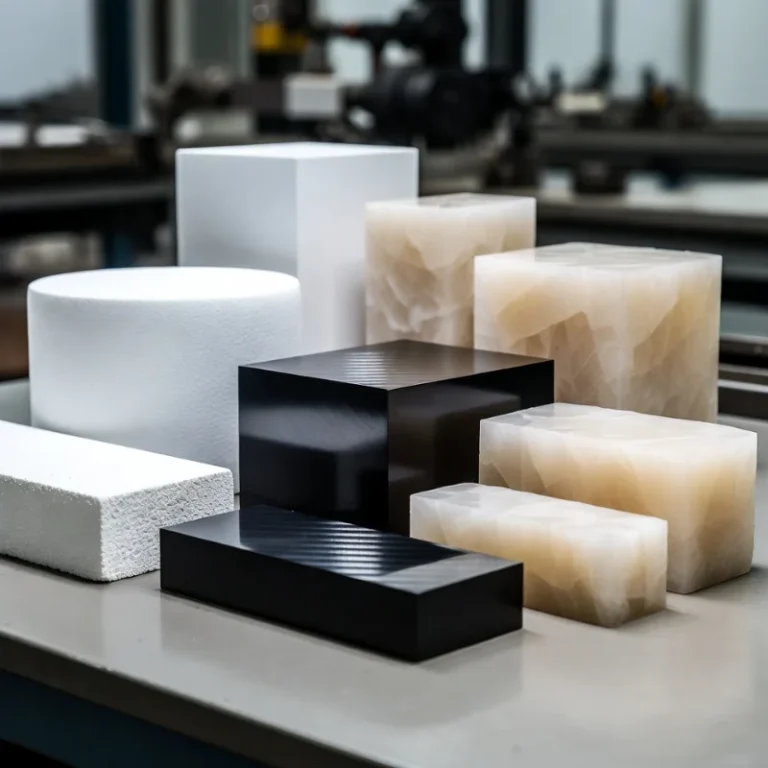
The demand for ballistic protection continues to expand across security infrastructure, industrial facilities, and high-risk operational environments. Bulletproof sheet materials are used to reduce penetration risk by controlling how projectile energy is absorbed, deflected, or dissipated.
From an engineering perspective, ballistic protection is not defined by strength alone. Designers must balance protection level with weight, thickness, durability, and integration constraints. Improving one parameter often introduces trade-offs in others.
This article compares four widely used bulletproof sheet materials: steel, ceramics, aramid fibers, and ultra-high-molecular-weight polyethylene. The goal is not to rank them as better or worse, but to explain how their protection mechanisms differ and how those differences affect real-world selection decisions.
What “Bulletproof” Really Means: Ballistic Ratings Explained
No material provides unlimited ballistic protection. All bullet-resistant systems have performance limits defined by projectile type, impact velocity, shot spacing, and strike count.
For this reason, ballistic materials are evaluated using standardized rating systems rather than absolute claims. Common standards such as NIJ and UL 752 specify protection levels based on controlled test conditions, including ammunition caliber and impact speed.
These ratings establish a shared technical reference. When comparing materials, the question is not whether a material is bulletproof, but which ballistic level it can reliably achieve under defined conditions.
Technical Comparison of Four Bulletproof Sheet Materials
From an engineering standpoint, modern ballistic materials reflect an evolution in protection strategy. Early solutions relied on rigid mass to stop projectiles. Newer systems focus on controlled energy dissipation and high specific strength.
Steel Bulletproof Sheets
Steel represents the earliest ballistic protection approach. Its effectiveness is based on hardness, mass, and structural rigidity that deform or fracture incoming projectiles.
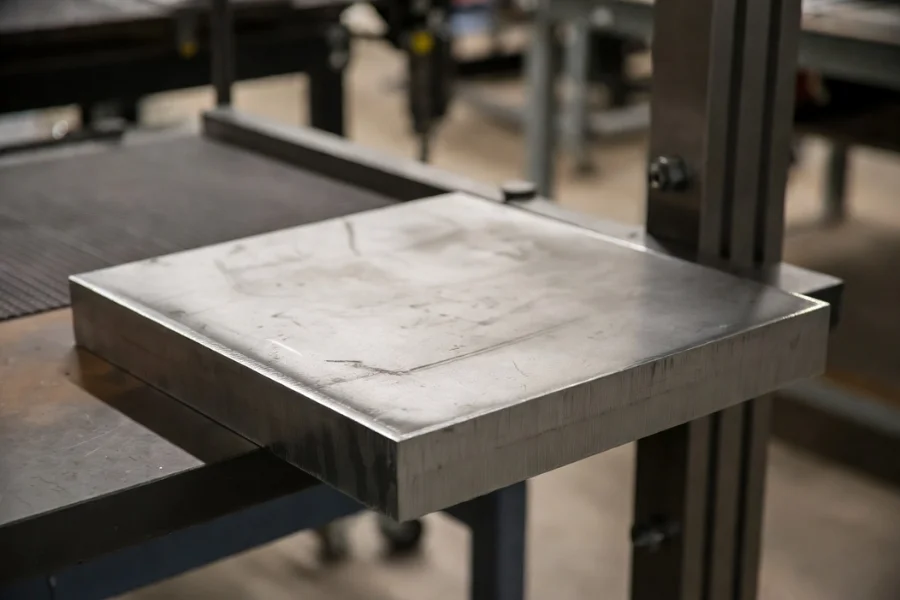
Steel provides reliable resistance to handgun, shotgun, and select rifle rounds. It maintains stable performance under mechanical wear and elevated temperatures and offers a long service life with minimal environmental degradation.
The primary limitation of steel is weight. Plates typically weigh between 8 and 10 pounds, reducing mobility and comfort. Impact can also generate spall, requiring secondary containment layers. Steel remains suitable for fixed installations, vehicle armor, and applications where durability and cost control outweigh weight concerns.
Ceramic Bulletproof Sheets
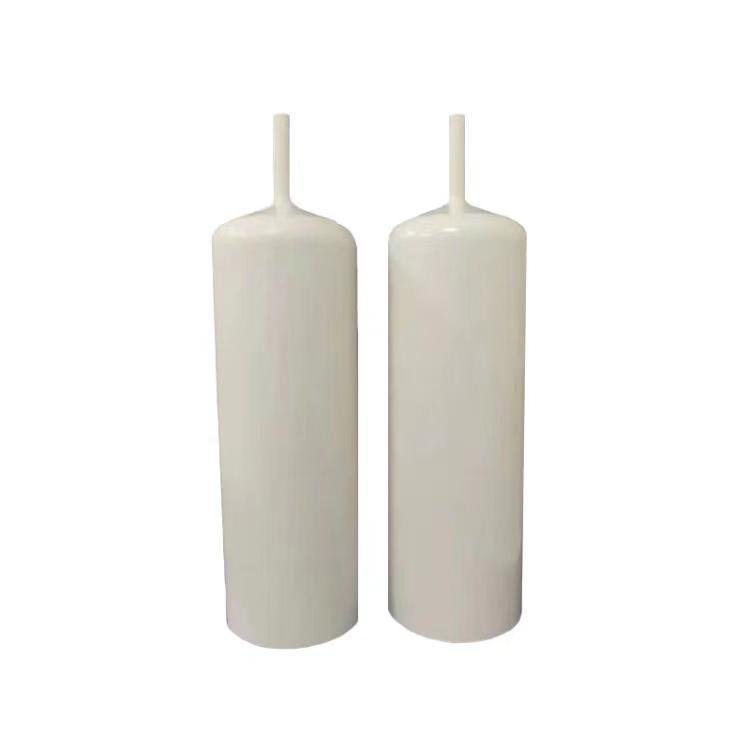
Ceramic ballistic systems represent a shift toward energy disruption rather than mass-based stopping. Materials such as alumina, silicon carbide, and boron carbide use extreme surface hardness to erode or shatter projectiles on impact.
Compared to steel, ceramics reduce weight by approximately 30 to 40 percent while maintaining effective rifle-level protection. They also offer high thermal stability and chemical inertness, making them suitable for harsh environments.
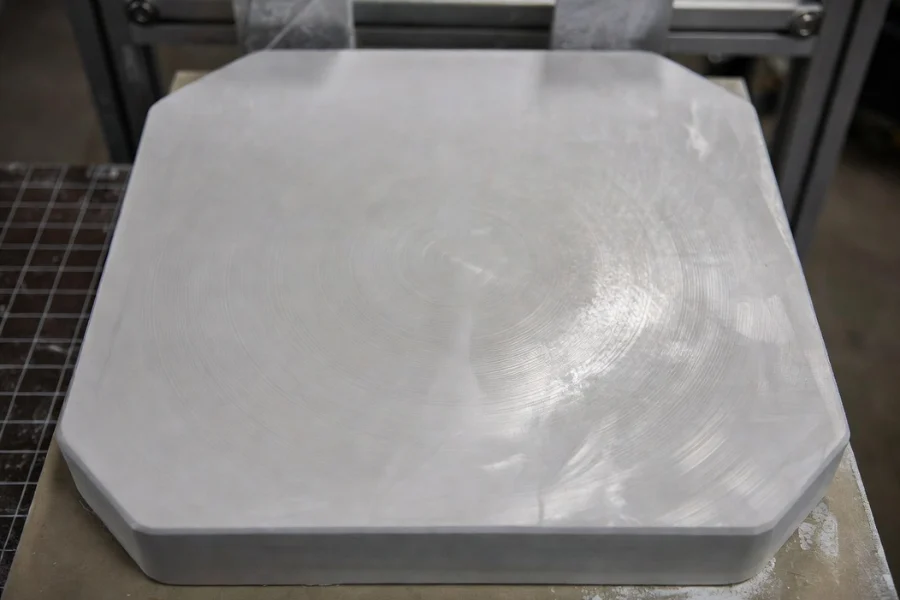
Ceramics are inherently brittle. Localized impacts reduce protection in the affected area, and handling damage can compromise performance. Protection limits depend strongly on ceramic composition and backing design. Ceramic sheets are widely used in hard armor systems where weight reduction is critical. Suppliers such as C-CERAMIC CO., LTD. provide precision alumina, silicon carbide, and boron carbide ceramics engineered for consistent hardness, dimensional control, and structural reliability in ballistic applications.
Aramid Fiber Sheets (Kevlar)
Aramid fibers introduce a different protection mechanism. Instead of breaking the projectile, they absorb kinetic energy through tensile deformation and fiber rupture.
These materials are lightweight, flexible, and effective against handgun rounds and fragmentation threats. Their flexibility enables comfortable, wearable, and concealed armor configurations.
Aramid fibers provide limited resistance to high-velocity rifle ammunition unless combined with hard strike faces. Long-term exposure to ultraviolet light, moisture, or improper cleaning accelerates performance degradation. As a result, aramid materials are most commonly used in soft armor systems or as backing layers in composite designs.
UHMWPE Bulletproof Sheets (Polyethylene)
UHMWPE reflects the current focus on high specific strength. Its long molecular chains provide exceptional tensile performance at very low weight.
UHMWPE plates typically weigh between 2 and 5 pounds and offer an extremely high strength-to-weight ratio. The material is resistant to moisture and many environmental factors, making it suitable for extended wear and mobile applications.
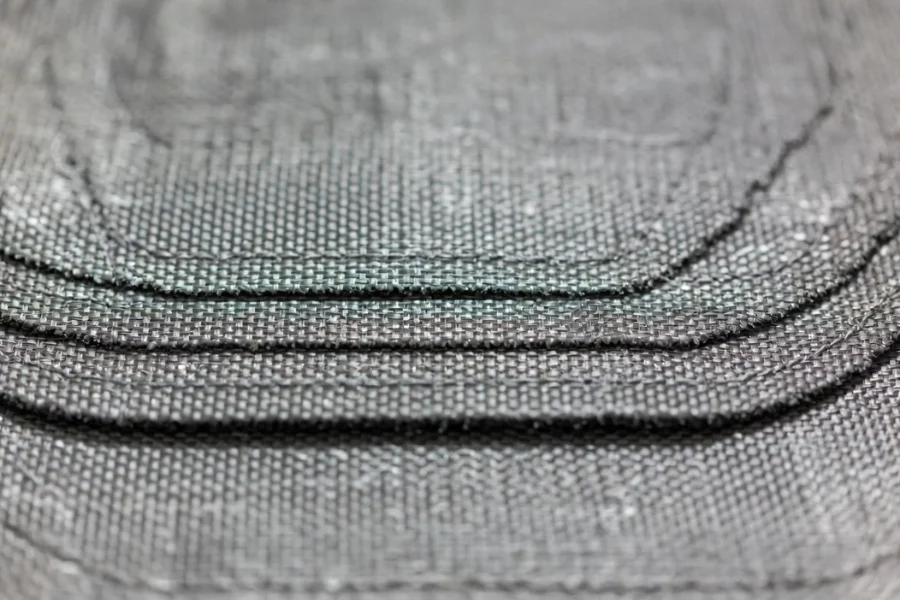
The main limitations are cost and temperature sensitivity. Mechanical performance decreases at temperatures above approximately 158°F, and large-scale production of Level IV-rated systems remains economically constrained. UHMWPE is most often selected where mobility and endurance are prioritized over material cost.
Performance Comparison Overview
| Property | Steel | Ceramics | Aramid (Kevlar) | UHMWPE |
|---|---|---|---|---|
| Weight | Very heavy | Light | Very light | Lightest |
| Typical Protection Level | III–IV | III–IV | II–IIIA | III–IV* |
| Primary Threats | Handgun, rifle | Rifle, handgun | Handgun, fragments | Handgun, select rifle |
| Durability | Very high | Brittle | UV and moisture sensitive | Heat sensitive |
| Structural Form | Rigid | Rigid | Flexible | Semi-rigid |
| Cost | Low | Medium | Medium | High |
| Common Uses | Vehicles, fixed armor | Hard plates, vehicles | Soft armor | Lightweight plates |
*Achieving Level IV with UHMWPE significantly increases cost.
How to Choose the Right Bulletproof Sheet Material
Material selection should begin with threat assessment rather than material preference.
For handgun threats and concealment, aramid-based systems provide sufficient protection with minimal bulk. Rifle threats require hard armor, where steel, ceramics, or UHMWPE are evaluated based on weight, durability, and budget constraints.
Mobility-sensitive applications favor UHMWPE or ceramic systems. Fixed or vehicle-mounted installations often prioritize steel or ceramics for durability and long service life.
Environmental conditions should also be considered. High-temperature exposure may limit UHMWPE suitability, while humid or variable climates generally favor ceramics or polyethylene-based systems.
FAQ
Do bulletproof sheets last indefinitely
No. All ballistic materials have defined service lives. Polymers gradually degrade due to aging and environmental exposure. Ceramics are sensitive to impact damage and handling stress. Steel requires periodic inspection for deformation and coating wear. Replacement decisions should follow manufacturer guidelines and real operating conditions.
Is a ceramic plate unusable after one hit
Not automatically. Ceramic plates absorb energy through controlled fracture, but ballistic performance is significantly reduced at the impact zone. For safety-critical use, replacement is generally recommended unless professional inspection confirms sufficient residual protection under the required ballistic rating.
Can different materials be combined
Yes. Composite armor systems are common. A ceramic strike face is often paired with aramid or UHMWPE backing layers to fracture the projectile and absorb remaining energy. This configuration improves protection efficiency while reducing weight compared to single-material designs.
What is the best bulletproof material
There is no single best material. Steel emphasizes durability and cost control, ceramics balance weight and rifle protection, aramid fibers favor flexibility, and UHMWPE prioritizes lightweight performance. The optimal choice depends on threat level, mobility needs, environmental conditions, and budget constraints.
Is UHMWPE stronger than Kevlar
On a weight-normalized basis, UHMWPE generally provides higher specific strength than aramid fibers. However, aramids offer better thermal stability and resistance to certain chemicals. Performance comparison depends on whether weight efficiency, heat resistance, or long-term durability is the primary requirement.
Is Level III or Level IIIA better
Neither level is universally better. Level IIIA protects against high-energy handgun threats, while Level III is designed to stop rifle rounds. The correct choice depends on the expected ammunition type rather than a numerical ranking of protection quality.
Final Thoughts and Material Selection Considerations
Steel, ceramics, aramid fibers, and UHMWPE represent distinct stages in ballistic material evolution. Steel emphasizes durability through mass. Ceramics disrupt projectiles through hardness. Aramid fibers absorb energy through tensile deformation. UHMWPE maximizes strength relative to weight.
No single material is universally optimal. Effective selection depends on threat level, operating environment, mobility requirements, and lifecycle considerations. As ballistic systems continue to evolve, advances in ceramic processing, composite architectures, and high-performance polymers will further refine the balance between protection efficiency and practical deployment.